Aug 26, 2025
National Women’s Equality Day
National Women’s Equality Day
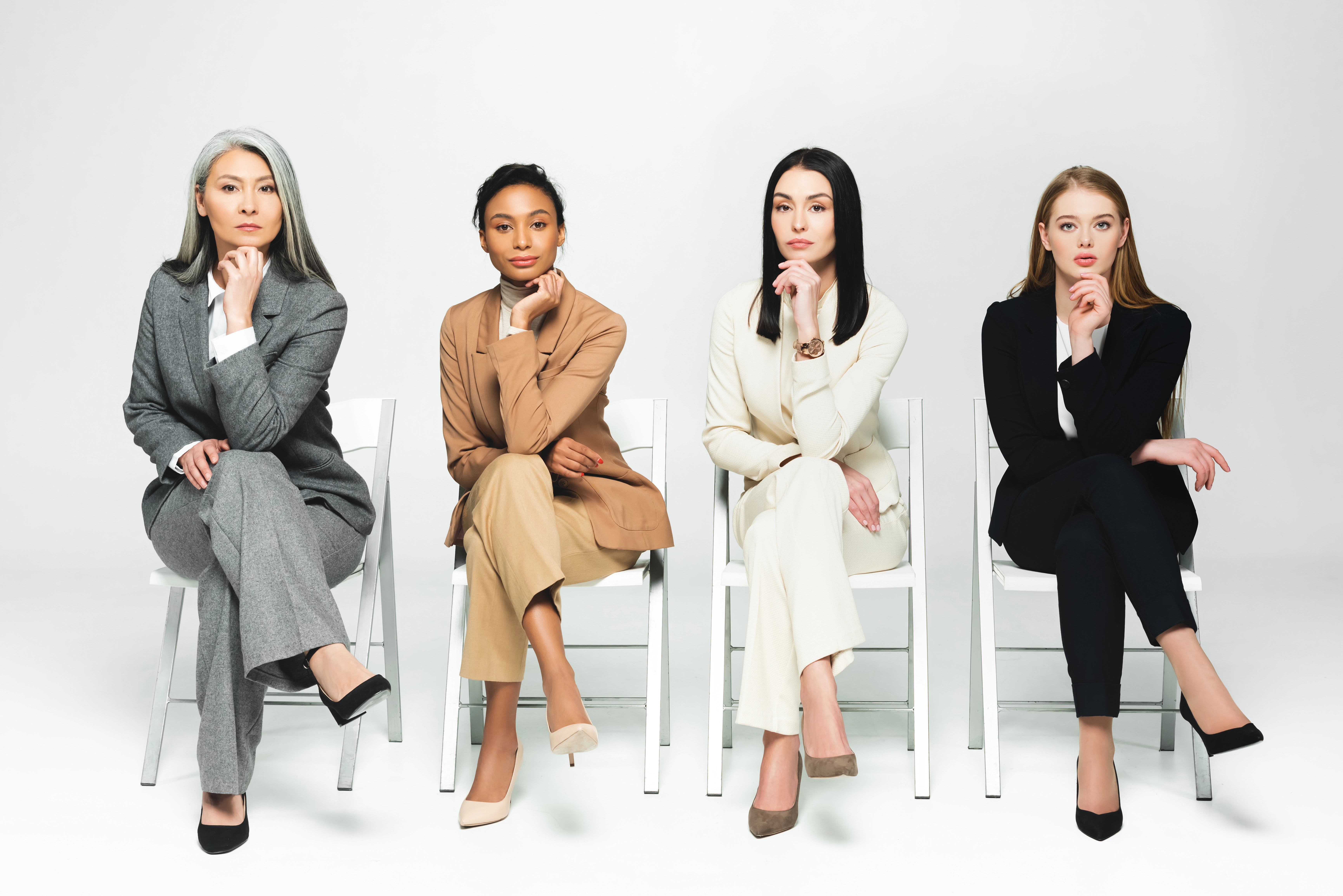
When I was starting out, I was often the only woman—
In my business classes in college
At my first job selling computers
Even as I climbed the corporate ladder
Yes, it was challenging (a lot of the time). And maybe I was a little oblivious—but I kept going.
Looking back, my biggest mistake was not seeking out mentors. They were there, but I didn’t take advantage of their experience or guidance.
Today, there are so many more opportunities for women—and one of the best changes is that women are actively helping to lift each other up. Call it equality. Call it progress. There are still challenges, but together, we’re stronger.
Here’s to raising each other higher.
Aug 20, 2025
A Moment Frozen in Time. A Message That Lasts.
Photography is more than an image—it’s a story, a feeling, a truth. In marketing, the right photo doesn’t just support the message; it is the message. On World Photography Day, we celebrate the power of visual storytelling to connect, inspire, and leave a lasting impact.
Read More
Aug 15, 2025
Stop Twisting Your Sentences into Pretzels
Clear writing builds trust. Overcomplicated, jargon-heavy sentences confuse readers, while simple, direct language makes your message stronger and easier to understand.
Transform Your Image Today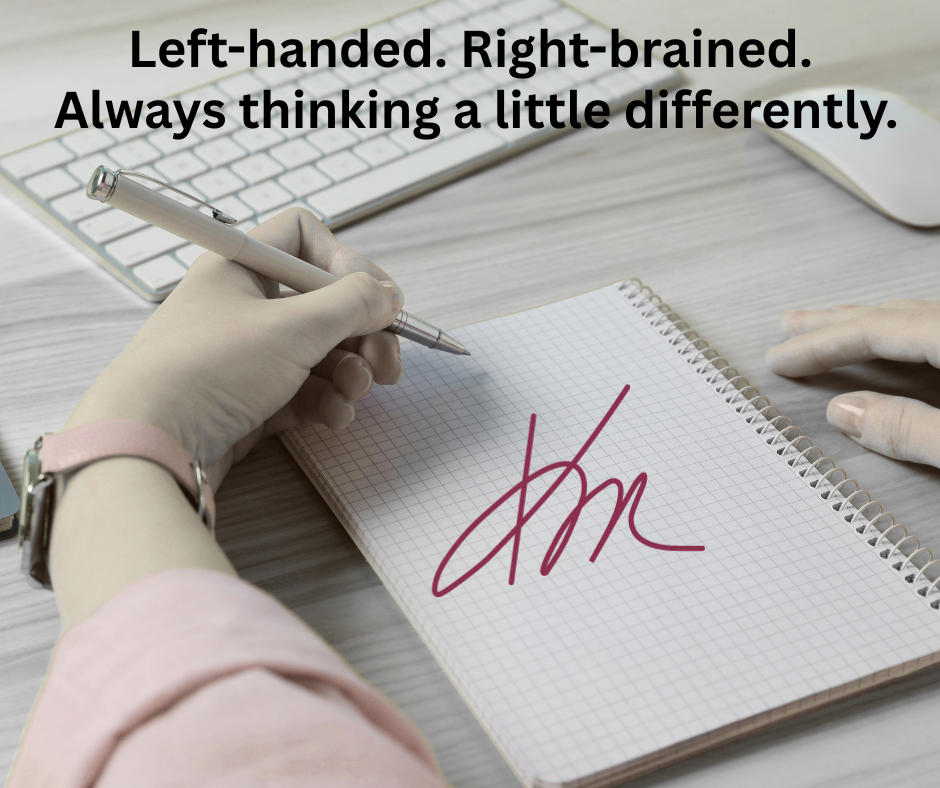
Aug 13, 2025
Left-handed. Right-minded.
On National Left Handers Day, this reflection celebrates the unique perspective of being left-handed—a trait that encourages adaptability, creative problem-solving, and thinking differently. Though only 10% of the population, lefties bring fresh ideas and unconventional approaches that make a big impact. Here’s to embracing difference and innovation.
Read More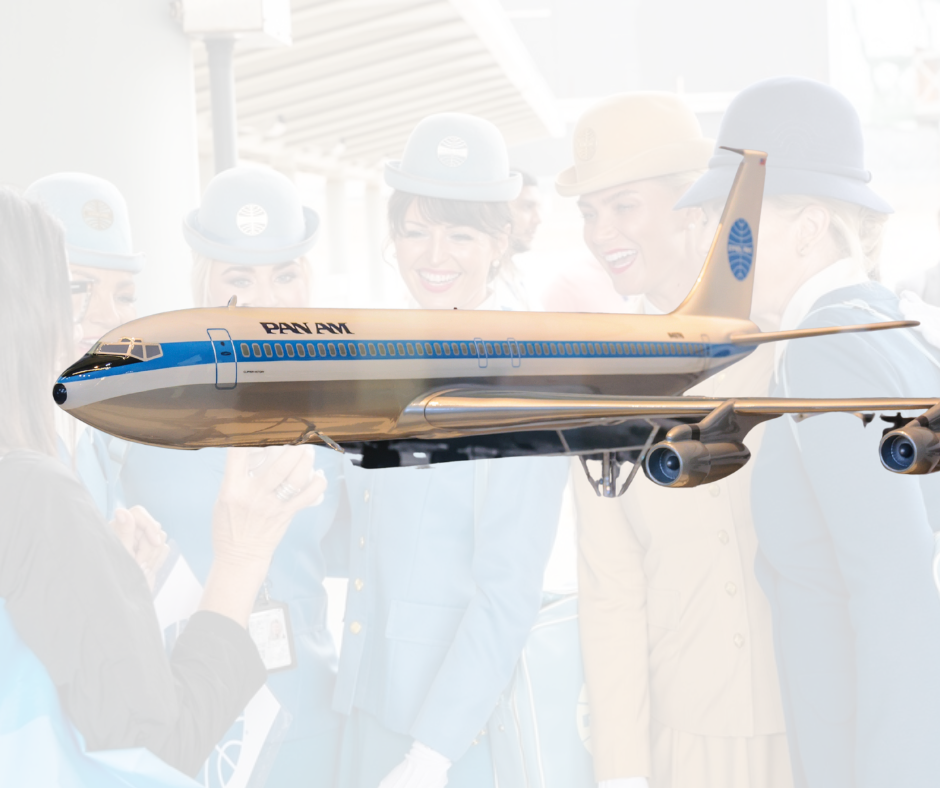
Aug 05, 2025
Sometimes a Brand is Always a Brand.
A brand can spark emotion and nostalgia, but it takes more than a name or logo to stay relevant. Reflecting on Pan Am’s legacy and attempted revival, this piece explores how lasting brands must pair image with consistent, meaningful customer experience. A brand opens the door—but only experience keeps it open.
Learn More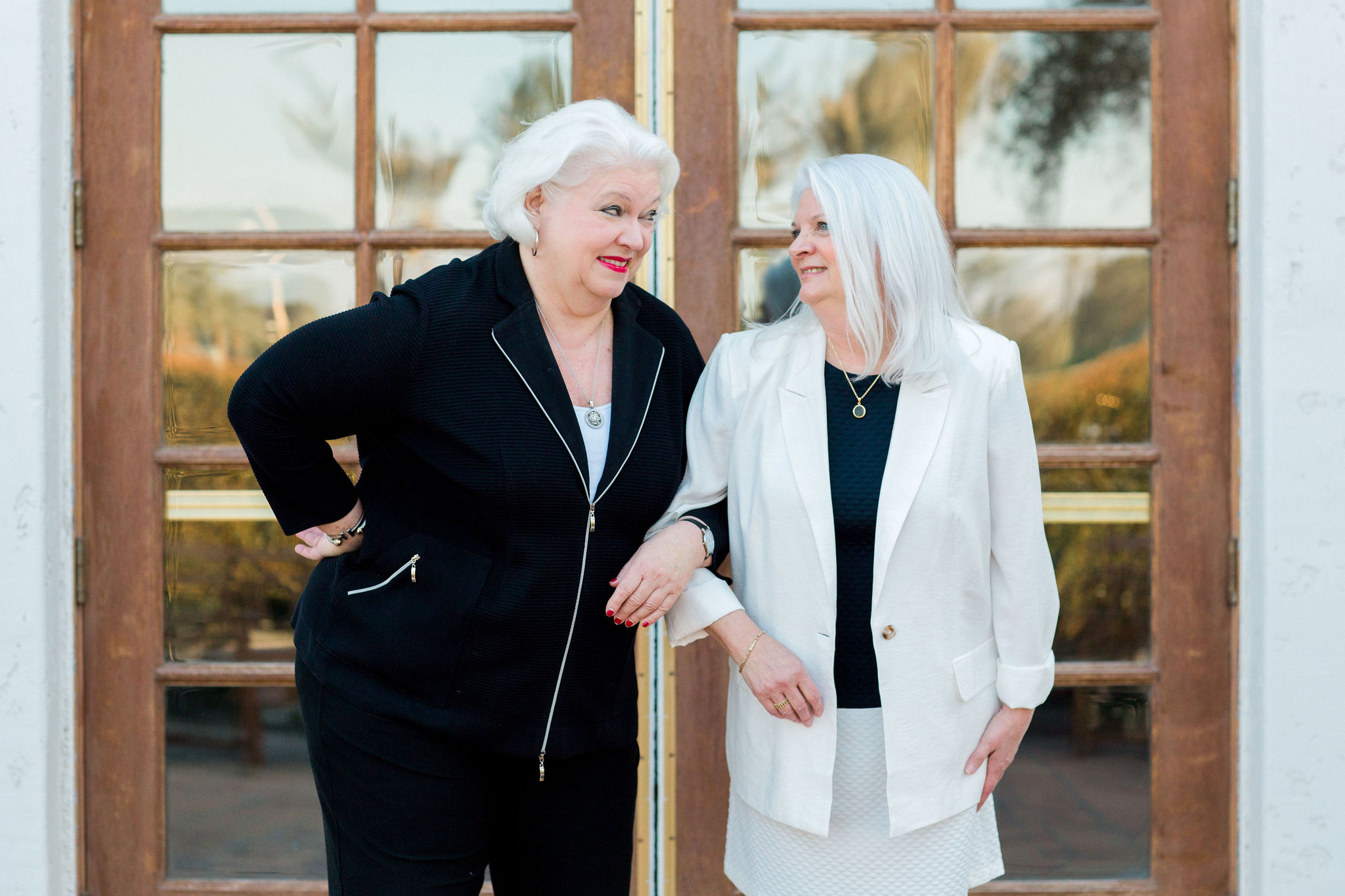
Aug 03, 2025
Sisters by chance. Teammates by choice.
On National Sisters Day, we’re celebrating a special bond that goes beyond family—partnership. After successful careers in larger organizations, my sister Pam and I chose to work together at KMA. With different strengths and a shared vision, we’ve built a trusting, productive, and laughter-filled collaboration. Grateful for both the journey and the teammate.
Read More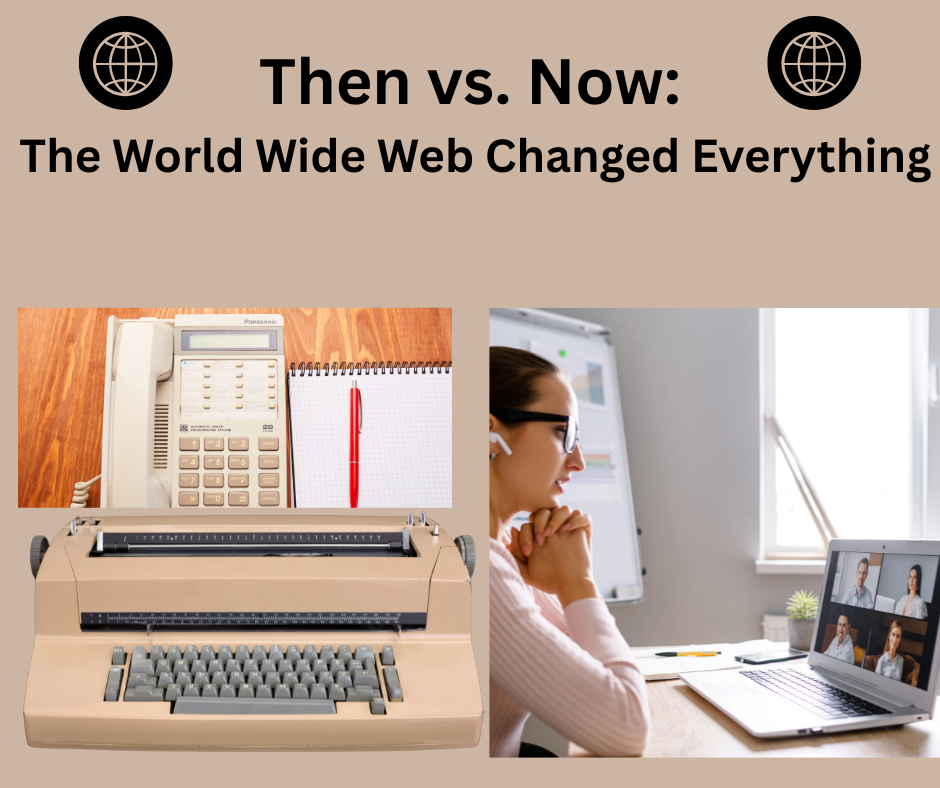
Aug 01, 2025
From Typewriters to AI: A World (Wide Web) Apart
As a former pharmaceutical regional manager, I remember the shift from typewriters to early computers, marking the start of digital transformation driven by necessity. On #WorldWideWebDay, they highlight how embracing change fuels rapid innovation—from AI to personalized automation.
Learn More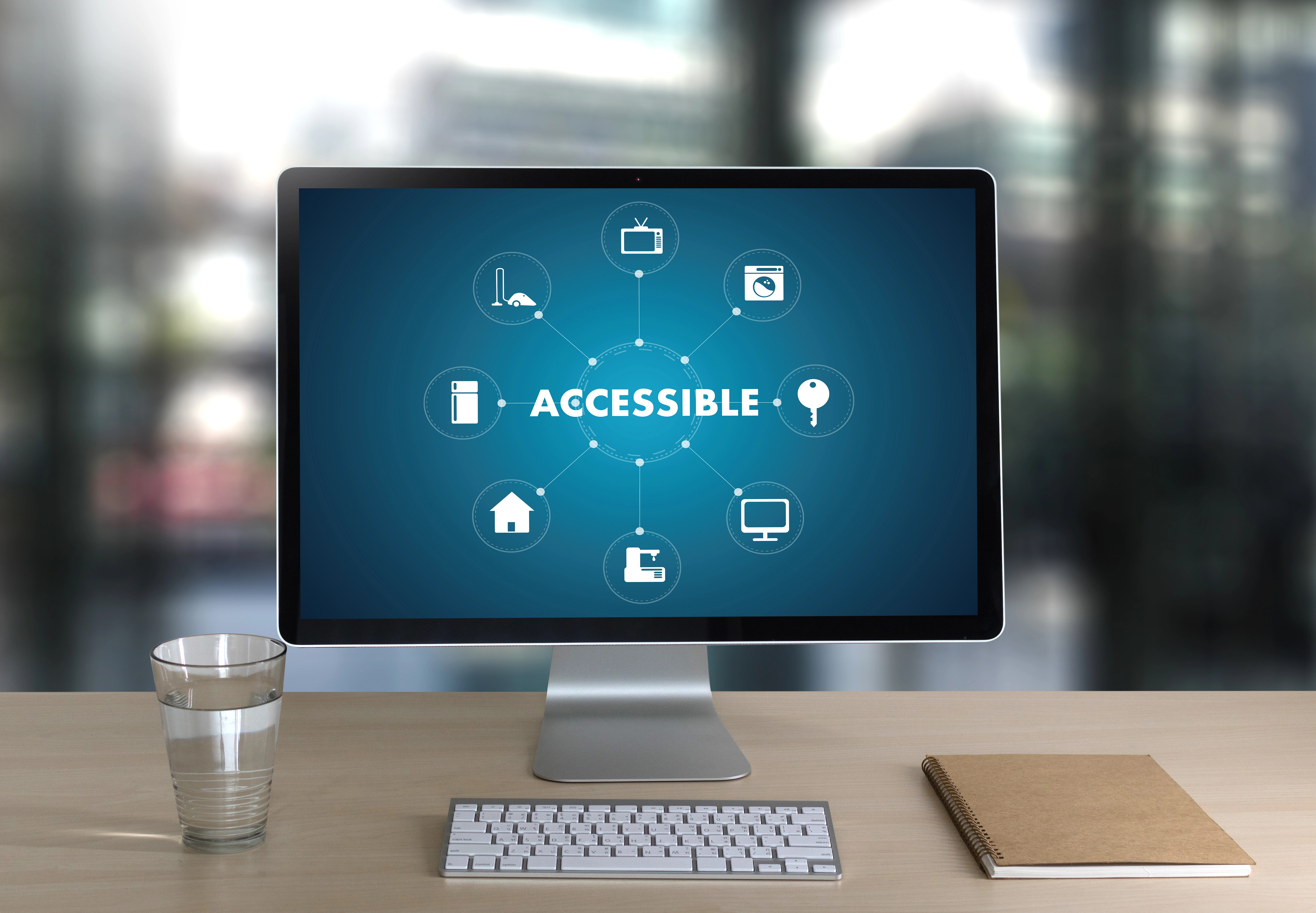
Jul 26, 2025
Today marks the anniversary of the Americans with Disabilities Act (ADA)
Today marks the anniversary of the Americans with Disabilities Act (ADA), a reminder of the importance of accessibility in all areas of life—including marketing. Inclusive marketing means creating content everyone can engage with. Tips include ensuring your website is ADA compliant, using alt text and captions, formatting hashtags for readability, and keeping emoji use screen-reader friendly. Accessibility isn’t optional—it’s essential.
#ADA #InclusiveMarketing #AccessibilityMatters
Jul 20, 2025
Energy Changes Everything
Energy changes everything—especially in marketing and communication. In this KMA Marketing Minute, Kathleen McEntee explains why it’s not just about what you say, but how you say it. From tone and pace to presence and delivery, your energy is what makes your message land. Whether you're pitching a client, building your brand, or simply trying to hold attention—energy is the difference-maker.
Transform Your Image TodayWork With Us
Make the right decisions and invest in your future. Explore our services and see how our expertise can propel yours.
CONTACT US